
Ready to get started?
Drop your details and we’ll be in touch with a next working-day quote.
Get Your Free Quote
Takes 60 seconds · No obligation
or call us directly
Many businesses across the UK rely on Electronic Point of Sale (EPOS) systems to manage payments, sales and day-to-day operations. Whether you’re running a café, retail shop, salon or multi-location business, understanding how EPOS works can help you choose the right technology for your business.
Using Electronic Point of Sale (EPOS) technology has become increasingly important for both new and established businesses looking to modernise their payment processes and offer customers greater flexibility when paying.
With more consumers choosing contactless cards, mobile wallets and wearable payment devices over cash, there has never been a better time for businesses to embrace digital payments and improve the customer experience.
In this guide, we’ll explain exactly what EPOS means, how EPOS systems operate, and how implementing an EPOS solution can benefit your business.
EPOS stands for Electronic Point of Sale. You may also hear the term POS, which stands for Point of Sale.
A traditional POS system refers to the standard cash register commonly found in physical retail stores and hospitality venues. An EPOS system is the digital evolution of that traditional setup, using software and connected devices to process transactions and manage business operations more efficiently.
While traditional cash registers focus primarily on recording sales and handling payments, EPOS systems provide a much broader range of capabilities designed to support modern businesses.
Although POS and EPOS are closely related, this guide focuses specifically on EPOS technology and how it can support business growth.
An EPOS system is a combination of software and connected hardware that enables businesses to process transactions, manage inventory, record sales and monitor business performance in real time.
Modern EPOS software can help businesses:
Because EPOS systems are highly flexible and scalable, they can be tailored to suit businesses of all sizes from independent retailers and growing start-ups to larger enterprise organisations operating across multiple locations.
Many modern EPOS platforms also store information securely in the cloud, allowing businesses to access data remotely while benefiting from multiple layers of security and backup protection.
It is important to understand the difference between an EPOS system and EPOS hardware.
An EPOS system refers to the software platform used to manage sales, inventory and reporting.
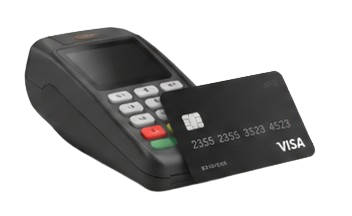
EPOS hardware refers to the physical equipment used alongside the software to process transactions and support daily operations.
Examples of EPOS hardware include:
When these devices work together with EPOS software, businesses gain access to a complete payment and management solution capable of tracking transactions and sales activity in real time.
One of the major advantages of an EPOS system is its ability to support multiple payment methods through integrated payment solutions.
Depending on the provider and setup, EPOS systems can process:
Providing customers with flexibility at checkout can improve convenience and contribute to a better overall customer experience.
If your business currently uses a traditional cash register, you may already be able to:
An EPOS system builds on these capabilities by connecting payment devices, tills and business software through a central platform.
This allows businesses to:
Because many modern EPOS systems are cloud-based, business owners can access their data from virtually anywhere with an internet connection.
Whether you’re managing a retail shop, restaurant or office, you can continue monitoring sales and performance even when you’re away from the premises.
Existing hardware can often be upgraded to support EPOS software, provided the equipment is compatible with the platform being used.
If current devices are not compatible, some hardware upgrades may be required to take advantage of the full functionality offered by modern EPOS systems.
In simple terms, an EPOS system acts as a more advanced and intelligent version of a traditional till system, offering businesses greater visibility, automation and control.
Technology continues to evolve rapidly, and businesses that embrace digital solutions are often better positioned for growth and efficiency.
If you’re still considering whether an EPOS system is the right choice, here are four key advantages.
Managing accounts and financial records manually can be time-consuming, particularly for growing businesses.
Many EPOS systems integrate directly with accounting software, reducing the need for manual data entry and reconciliation.
This allows business owners and finance teams to spend less time processing figures and more time focusing on customers, marketing and growth opportunities.
Integration with accounting platforms can also support compliance with HMRC’s Making Tax Digital requirements by enabling businesses to maintain digital records and submit tax information electronically.
Using an EPOS system can reduce administrative work and help businesses maintain compliance with digital tax requirements.
In hospitality environments, EPOS systems can reduce the time spent moving between tables, tills and payment terminals.
When payment terminals communicate directly with the EPOS system, staff no longer need to duplicate information or manually transfer orders and payment details.
The result is faster service, fewer errors and an improved customer experience.
Retail businesses can benefit in similar ways.
EPOS reporting tools can identify peak trading periods and customer trends, allowing businesses to schedule staff more effectively and improve queue management during busy periods.
EPOS systems support operational efficiency by improving service speed and providing valuable business insights.
Modern consumers increasingly expect a seamless shopping experience across online and physical channels.
An EPOS system can help businesses connect online stores, physical locations, pop-up shops and marketplaces through a single inventory and sales management platform.
Customers may be able to purchase online, collect in store, or return products purchased through one channel via another location.
Because inventory information is synchronised across all channels, businesses can maintain greater stock accuracy and provide a smoother customer experience.
EPOS systems support omnichannel growth while improving stock visibility and inventory management.
One of the biggest advantages of EPOS technology is payment flexibility.
Customers increasingly expect to pay using their preferred method, whether that means cash, debit cards, credit cards, mobile wallets or contactless payments.
An EPOS system enables businesses to support a broad range of payment options without introducing unnecessary complexity.
In addition, EPOS reporting tools help businesses understand transaction volumes, payment preferences and associated processing costs, making financial management significantly easier.
EPOS systems make it easier to accept payments, manage transactions and improve financial visibility.
We’ve explored what EPOS means, how EPOS systems operate and the benefits they can deliver to modern businesses.
The final question is simple: how do you get started?
Tectah payment solutions are designed to integrate with hundreds of EPOS platforms used across retail, hospitality and service industries.
If your business already uses an EPOS system, there is a strong possibility that Tectah payment devices and services can connect directly with your existing setup.
If you’re still deciding which EPOS platform is right for your business, our flexible approach allows you to choose the solution that best matches your operational requirements while maintaining seamless payment integration.
To begin accepting card payments, businesses will require a merchant account.
When you choose Tectah as your payment provider, a merchant account can be set up as part of the onboarding process, helping you get started quickly and begin accepting payments with confidence.
Ready to get started?
Drop your details and we’ll be in touch with a next working-day quote.
Get Your Free Quote
Takes 60 seconds · No obligation
Get your free quote in 60 seconds
Tell us a bit about your business and our experts will call you back within 1 hour.
We'll call you within 1 hour
100% free and no commitment
Find the right solution for you
Let’s get started
Fill in your details and we’ll be in touch soon.